The CEO’s Role
Not writing tickets.
Setting vision and priorities.
Making trade-offs.
Communicating direction.
Not: micromanaging execution.
Vision First
Where should product be in 2 years?
Reverse engineer to now.
Quarter goals ladder up.
Not just: sprint priorities.
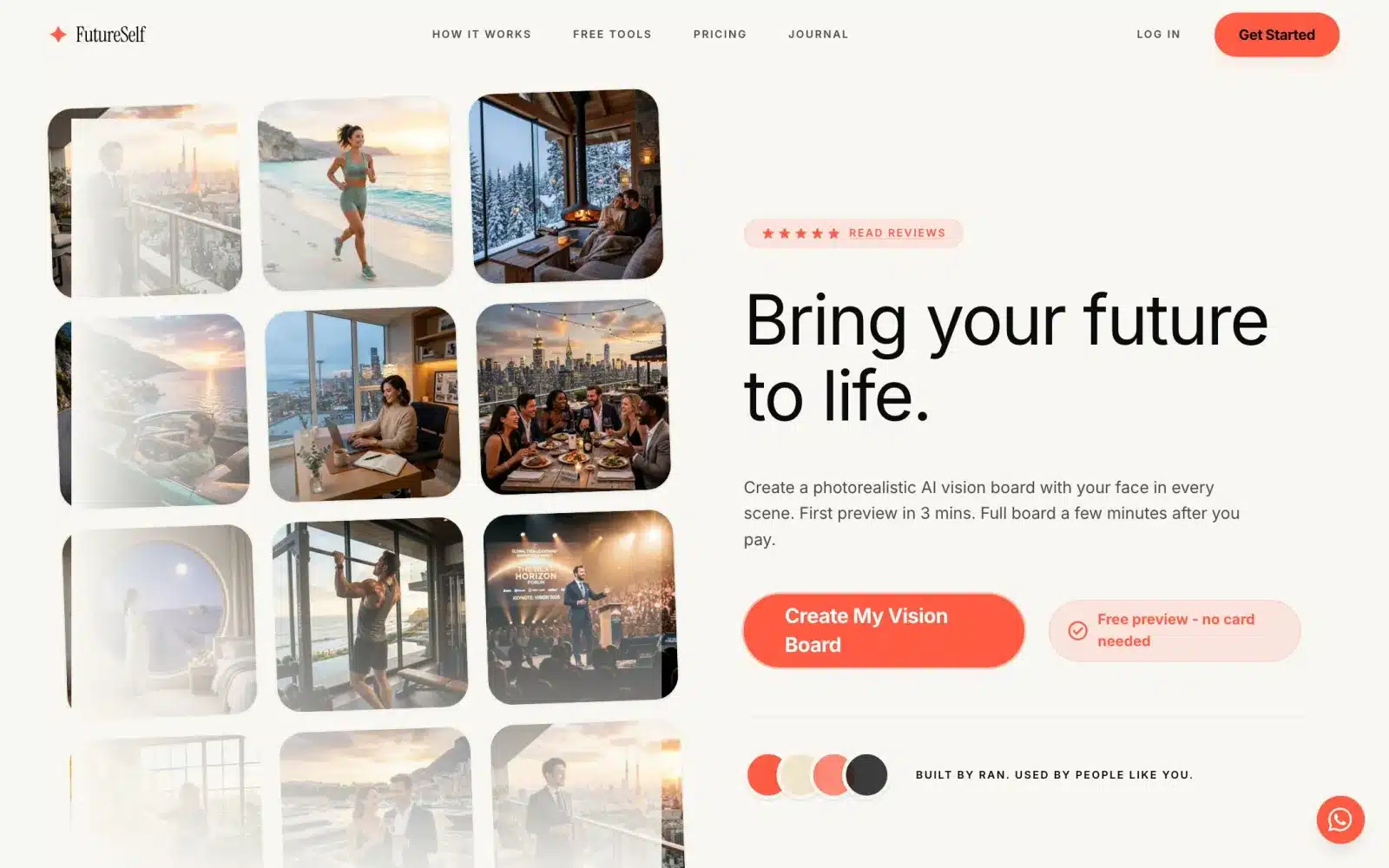 From our workA first product live in 4 weeksSign-up, payments and the core feature, ready for real users. FutureSelf is one of the products we built.How it works →
Business Objectives
Revenue growth.
Customer acquisition.
Retention.
Expansion.
Every feature ties to one.
Customer Feedback
Highest signal: existing customers churning or growing.
Sales team hearing objections.
Support tickets patterns.
Not: every request builds.
Data-Driven Signals
Usage patterns.
Feature adoption.
Conversion funnels.
Where users drop off.
Objective inputs.
The RICE Framework
Reach: how many users affected.
Impact: how much per user.
Confidence: how sure of estimates.
Effort: development cost.
Score = R*I*C/E.
Now/Next/Later
Now: this quarter, committed.
Next: next quarter, likely.
Later: someday, maybe.
Simple prioritization.
Communicate honestly.
Balancing Types of Work
New features: growth.
Improvements: retention.
Debt: velocity.
Infrastructure: scale.
Balance based on stage.
Saying No
Most requests: no.
Explain framework.
Don’t over-promise.
“Not now” acceptable answer.
Vision needs discipline.
Communication
Roadmap public or internal?
Level of detail.
How often updated.
Setting expectations.
Involving Team
Engineering input: what’s feasible.
Design input: what’s cohesive.
Sales input: what would close deals.
CS input: what would reduce churn.
Not democracy – CEO decides.
Timeline Realism
Estimates are wrong.
Buffer 30-50%.
Under-promise, over-deliver.
Public commitments risky.
The Innovation Balance
Improve current: safer.
New categories: bigger upside.
70/20/10 rule (core/adjacent/new).
Don’t only do safe.
Signals to Kill Features
Low usage post-launch.
No revenue impact.
High maintenance cost.
Distraction from core.
Sunset features regularly.
Stakeholder Management
Board wants growth.
Customers want features.
Team wants quality.
Balancing act.
Transparent trade-offs.
The Yearly Cycle
Q1: strategy for year.
Quarterly reviews and adjustments.
Not: locked in.
Not: constantly changing.
Discipline + flexibility.
Our Approach
Vision-driven.
Customer-informed.
Data-supported.
CEO-decided.
Team-executed.
Regular retrospectives.
Based on Real Projects
This guide is based on our work with:
Further Reading
If this guide helped you, you might also want to read our comprehensive guide on Custom SaaS Development.
Want to talk about your project?
A free consultation call, no commitment.
רוצים לדבר על הפרויקט שלכם?
אנחנו מתמחים בפיתוח SaaS, פתרונות AI, עיצוב UX/UI ובניית אתרים. ספרו לנו מה אתם צריכים.
דברו איתנו ←